
Laura and the Language of Difference
The Glass MenagerieThis flow traces how Laura’s disability and shyness are interpreted by herself, her family, and Jim.
increasing Bearing strength in each event
 decreasing
Bearing strength in each eventdecreasingThe Leg Brace
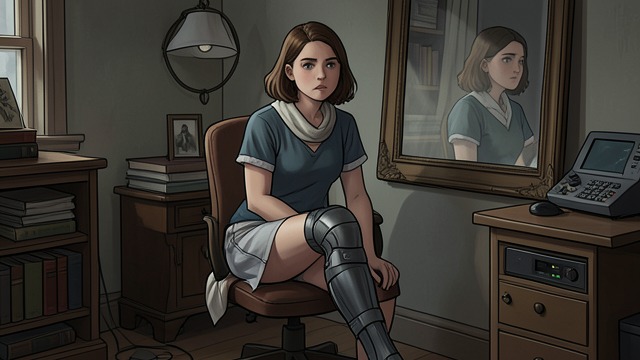
The Leg Brace
A Physical Difference
A childhood illness has left Laura with one leg slightly shorter and a brace. The play treats this difference as real while showing how its social meaning grows beyond the physical fact.
The Burden of Attention
Laura’s self-consciousness is intensified by the feeling that others notice her. Her disability shapes her experience without fully explaining her character or her capacity for feeling.
The Word Laura Rejects
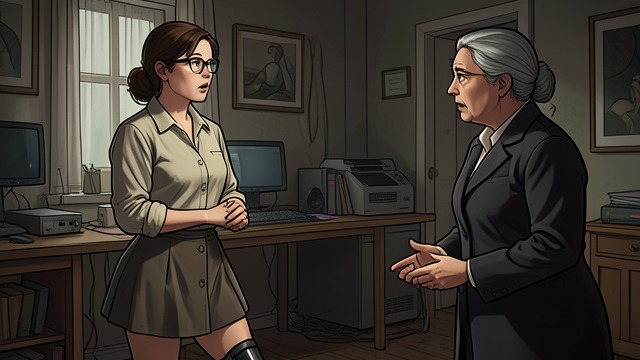
The Word Laura Rejects
Naming the Difference
Laura tells Amanda that she is crippled, using the word her mother forbids. Amanda insists that the condition is slight and should not define her.
Protection and Denial
Amanda’s refusal aims to protect Laura from a hurtful label, but it also avoids confronting Laura’s lived difficulty. Their exchange reveals two different strategies for facing social judgment.
Shyness in the Classroom
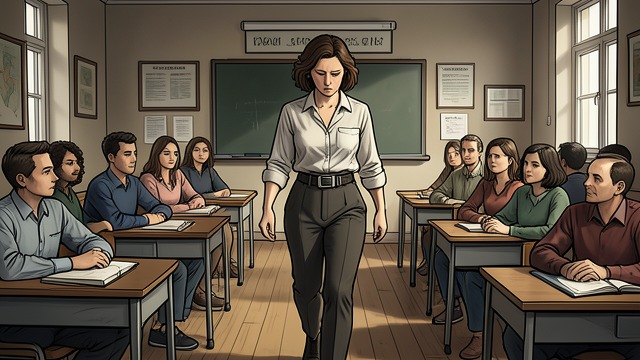
Shyness in the Classroom
The Walk to Her Seat
Laura remembers the sound of her brace as she entered class after others were seated. What may have been a small noise became an ordeal under the imagined attention of the room.
Withdrawal Takes Shape
Her recollection shows how embarrassment accumulated into avoidance. Jim’s reassurance offers kindness, but the memory explains why confidence cannot be restored by a single conversation.
Jim’s Encouragement
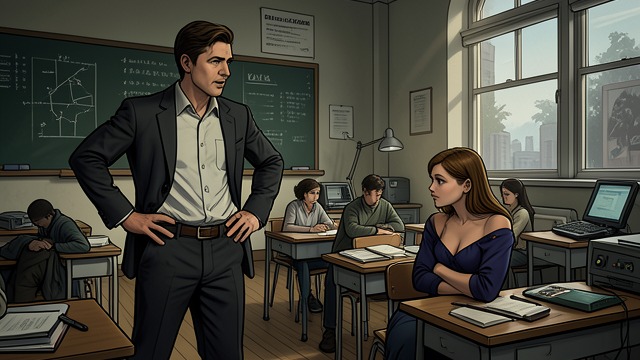
Jim’s Encouragement
A Challenge to Self-Judgment
Jim tells Laura that she has magnified a small physical defect and urges her to think better of herself. He hopes his own experience of overcoming insecurity can help her.
Help with Limits
His confidence briefly gives Laura room to speak and dance. But his advice treats a deeply established isolation as something that might yield to encouragement alone.
The Unicorn Among Horses
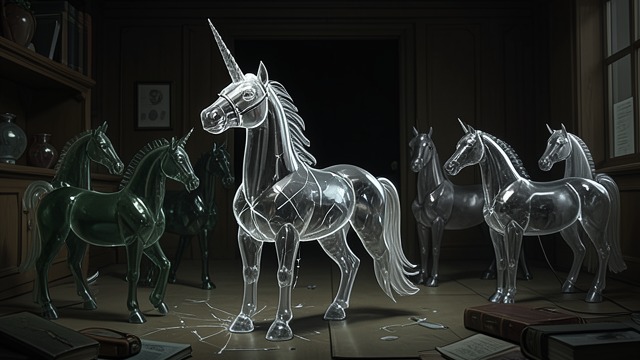
The Unicorn Among Horses
Difference Made Visible
Laura jokes that the broken unicorn will feel less freakish among the other glass horses. The object gives her a way to speak indirectly about isolation and the wish to belong.
A Tender Ambivalence
She accepts the damage without treating it as a tragedy, yet the altered figure remains a sign of what has been lost. Its new likeness to the others does not guarantee companionship.
In the characters’ introductory descriptions
During Amanda’s discussion of marriage
During Jim’s recollection of their school years
During the private candlelit conversation
After the unicorn’s horn breaks
